 русский


Поиск
ЧТО ВЫ ИЩЕТЕ?


Мы являемся высокотехнологичным производителем, сертифицированным по стандарту ISO9001:2015, и известным в Китае как «комплексный поставщик передовых материалов». Мы специализируемся на поставках высокочистых металлов и высококачественного химического сырья для высокотехнологичных предприятий и научно-исследовательских институтов. Мы сотрудничаем с рядом китайских научно-исследовательских институтов для совместной разработки новых продуктов и совершенствования систем их переработки.


Введение
Водяной пар и примеси малых молекул часто мешают промышленному производству, вызывая деактивацию катализаторов, коррозию трубопроводов и ухудшение качества продукции. Традиционные адсорбенты, такие как силикагель и активированный оксид алюминия, ограничены в селективной адсорбционной способности и не могут точно разделять определенные мельчайшие молекулы. Сферические молекулярные сита обладают однородной микропористой структурой с контролируемым размером пор. Путем регулирования диаметра пор сферические молекулярные сита 3A, 4A и 5A обеспечивают целенаправленную адсорбцию воды, аммиака, диоксида углерода и углеводородов, демонстрируя более высокую эффективность адсорбции и более высокую селективность, чем традиционные осушающие материалы. В данной статье рассматриваются характерные различия и применимые условия работы сферических молекулярных сит 3A, 4A, 5A, что помогает инженерам сделать обоснованный выбор материала.
1. Основные различия сферических молекулярных сит 3A, 4A, 5A
Ключевое различие заключается в размере апертуры, который определяет, каким молекулам разрешается проникать в полости кристалла.
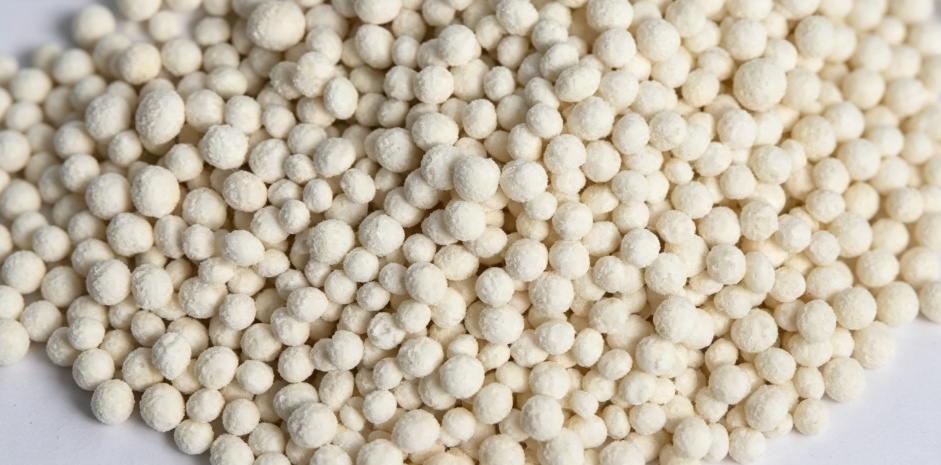
Сферическая морфология частиц обеспечивает существенные преимущества: лучшую текучесть, меньшее падение давления внутри адсорбционных башен, меньшее пылеобразование по сравнению с ленточным молекулярным ситом, а также увеличение срока службы адсорбционного оборудования.
2. Практические принципы отбора
Часто задаваемые вопросы
В1: Почему следует выбрать сферическое молекулярное сито вместо полосового?
А: Сферическое молекулярное сито обладает равномерной плотностью упаковки, обеспечивает плавный поток воздуха и низкую скорость истирания. Оно уменьшает засорение трубопроводов и продлевает срок службы адсорбционных слоев.
В2: Можно ли регенерировать молекулярные сита после насыщения?
А: Да. Сферические молекулярные сита 3A, 4A, 5A способны к десорбции и регенерации в условиях нагрева и вакуума при многократном циклировании.
Innovation industrial base, Huguang Road, Shushan District, Hefei, Anhui, China.
Авторские права
@ 2026 Anhui Fitech Material Co., Ltd. Все права защищены
. ПОДДЕРЖИВАЕМАЯ СЕТЬ
Редкоземельные элементы Карта сайта Xml политика конфиденциальности
оставить сообщение
Сканировать в Wechat :

Сканировать в WhatsApp :