 русский


Поиск
ЧТО ВЫ ИЩЕТЕ?
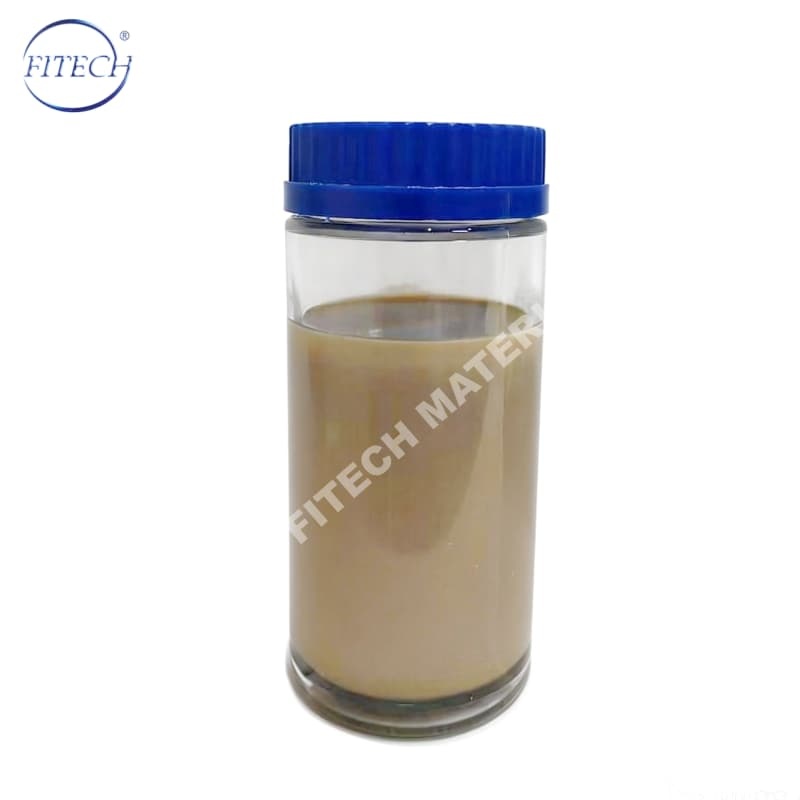
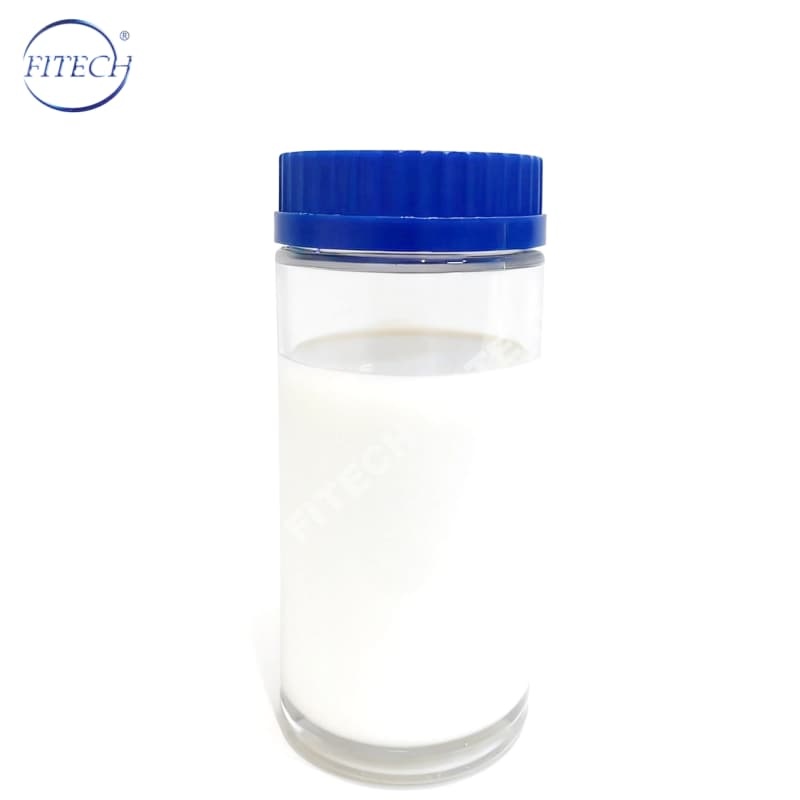
Наше высокое качествоВанадиевый пассиваторявляетсяПассивация катализатора каталитического крекинга (FCC) ванадием для нефтепереработки. В процессе каталитического крекинга, особенно при использовании тяжелой нефти в качестве сырья, присутствующие в ней тяжелые металлы, такие как ванадий, осаждаются на поверхности катализатора, вызывая его отравление и деактивацию, а также снижение селективности. Это приводит к уменьшению выхода легкой нефти, увеличению образования водорода и кокса. Для решения проблемы загрязнения катализаторов каталитического крекинга ванадием можно использовать пассиватор, который подавляет токсическое воздействие ванадия из сырья на катализатор.
Молекулярная формула :
Sn,Ni,Sb,Rare earthкод ТН ВЭД :
3815900000Место происхождения :
ChinaОценка :
Industrial GradeУпаковка :
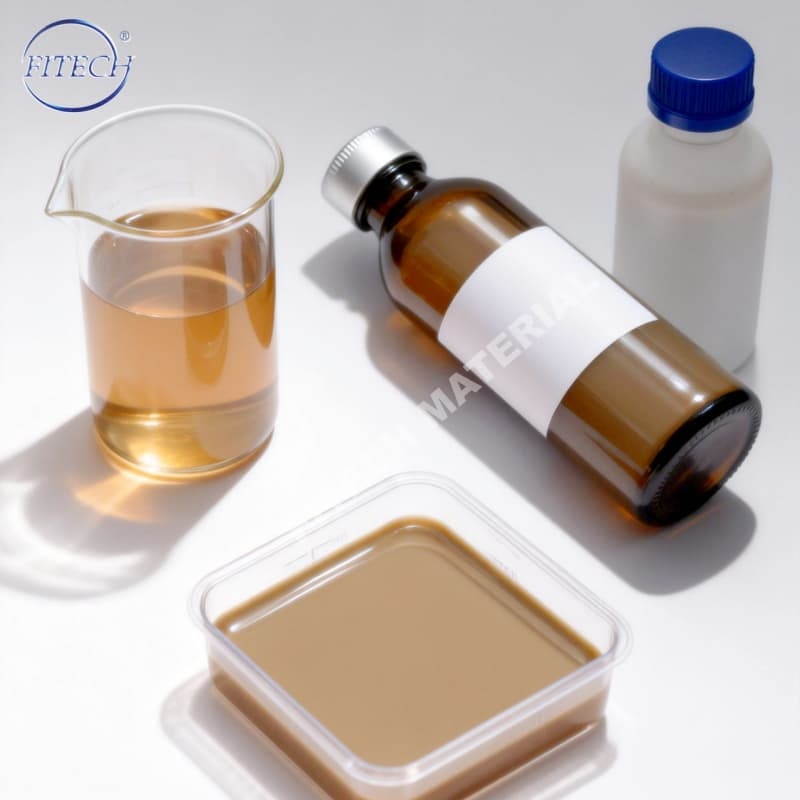
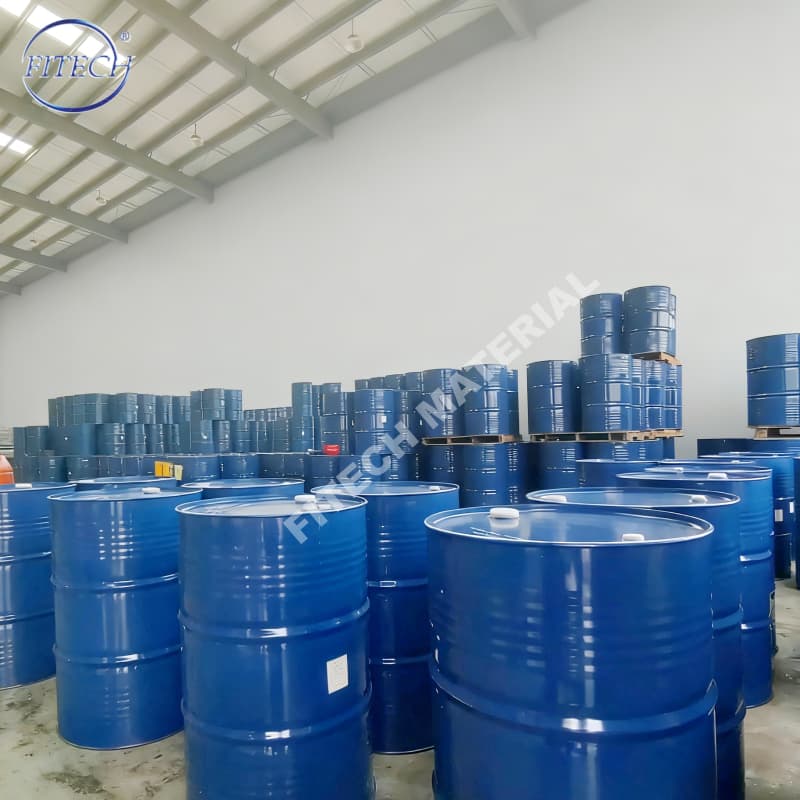
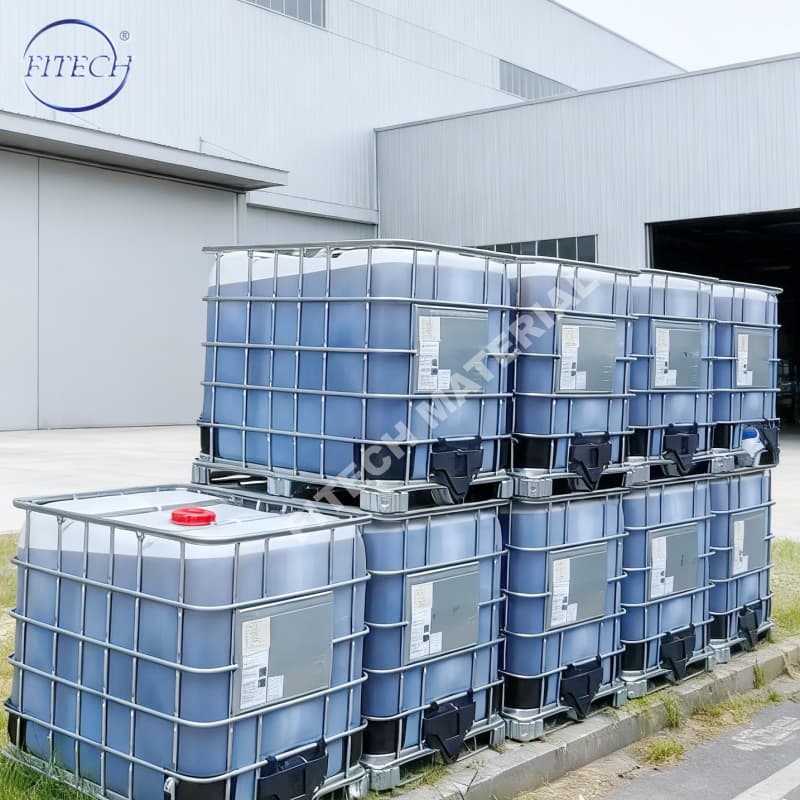
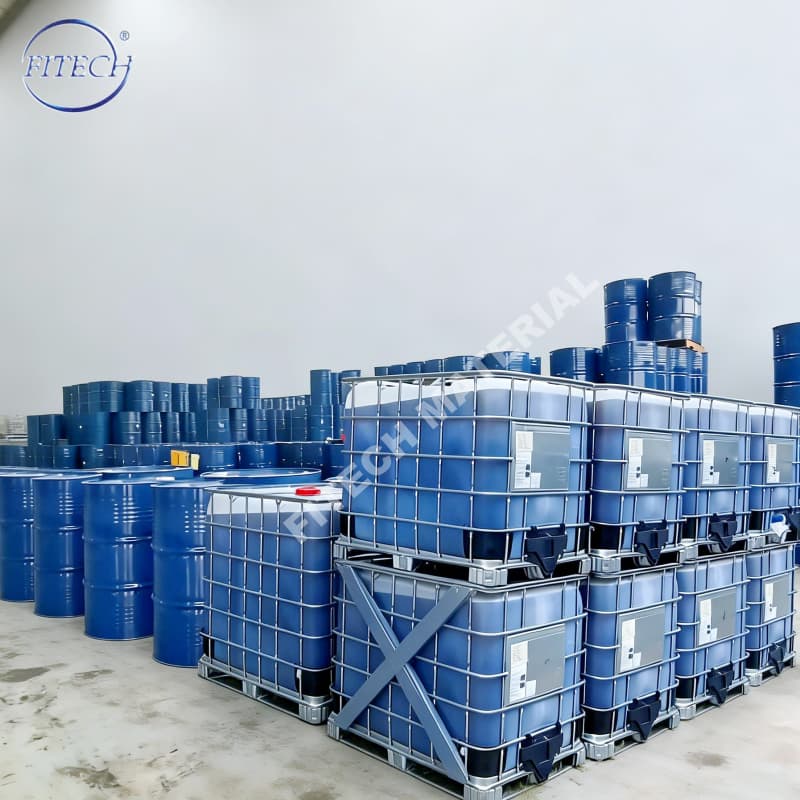
200L iron drum/IBC drumВнешний вид :
Gray or Brown Liquid
Основная информация
Олово, щелочноземельные металлы и редкоземельные элементы реагируют с пентоксидом ванадия, образуя стабильные высокотемпературные соединения, которые препятствуют миграции ванадия в цеолитную фазу и образованию ванадовой кислоты.
Комплексы, образующиеся в результате реакции щелочноземельных металлов со слабокислыми веществами, действуют как пассивные ванадиевые компоненты, конкурируя с молекулярными ситами за захват и образование стабильных ванадатов щелочноземельных металлов, что подавляет стимулирующее воздействие на гидролиз молекулярных сит и тем самым стабилизирует их структуру.
Использование соединений переходных металлов для замещения ванадия в кристаллической решетке приводит к повышению температуры плавления фазы и подавлению миграции ванадия в объемную фазу цеолита, что позволяет снизить загрязнение ванадием.
Спецификация
Оценка | Растворимость | Функции и применение | Примечания |
ФИБФ-MD511 | Маслорастворимый | Пассивация ванадием катализатора каталитического крекинга (FCC) для нефтеперерабатывающих заводов. | Маслорастворимая комплексная соль карбоновой кислоты |
ФИБФ-MD315 | Маслорастворимый | Нано-суспензия | |
ФИБФ-110А | Маслорастворимый | Карбоксилат магния |
Приложение
1. Защитить активность катализатора: Это наиболее прямая цель. За счет подавления разрушительного воздействия ванадия поддерживается заданная активность катализатора, что обеспечивает производительность установки и коэффициенты конверсии.
2. Повышение выхода целевой продукции:
Увеличение выхода бензина и сжиженного газа: Защищает кислотные центры и селективность катализатора по форме, позволяя большему количеству тяжелой нефти расщепляться на высококачественный бензин и олефины.
Снижение выхода сухого газа и кокса: Минимизирует неселективные реакции крекинга, вызванные дезактивацией катализатора.
3. Сниженное потребление катализатора: По мере замедления скорости дезактивации катализатора количество свежего катализатора, необходимого для поддержания равновесной активности системы, уменьшается, что напрямую снижает эксплуатационные расходы.
4. Повышение оперативной гибкости: Позволяет нефтеперерабатывающим заводам безопасно перерабатывать сырье более низкого качества с более высоким содержанием ванадия, тем самым снижая затраты на закупку сырой нефти. Это один из наиболее значимых факторов экономического роста.
5. Синергия с никелевыми пассиваторами: Многие коммерческие пассиваторы представляют собой «биметаллические (Ni-V) пассиваторы», содержащие такие компоненты, как сурьма (для пассивации никеля) и олово/редкоземельные элементы (для пассивации ванадия). Они могут одновременно устранять оба основных каталитических яда.
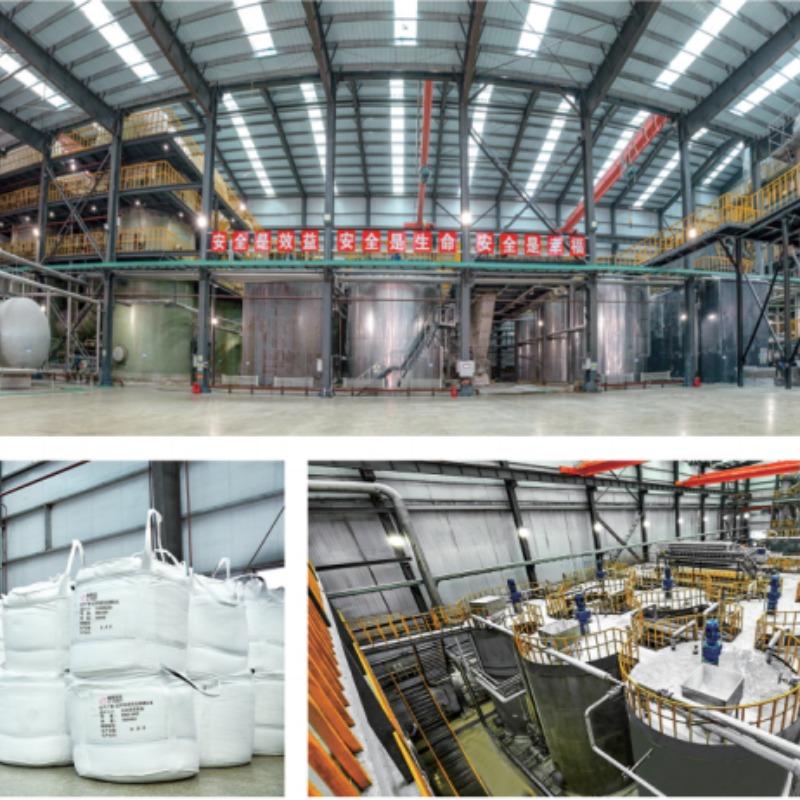
Упаковка
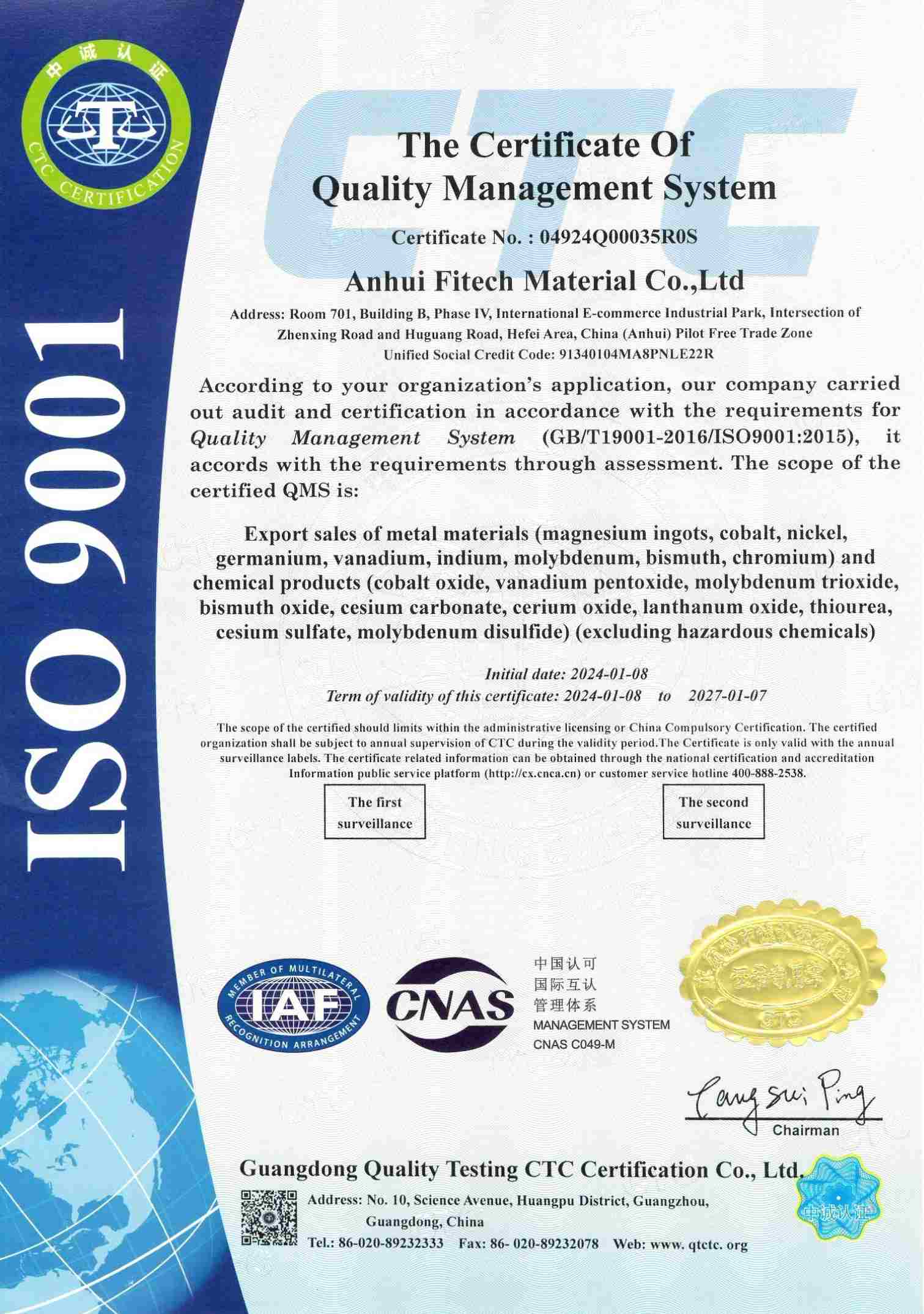
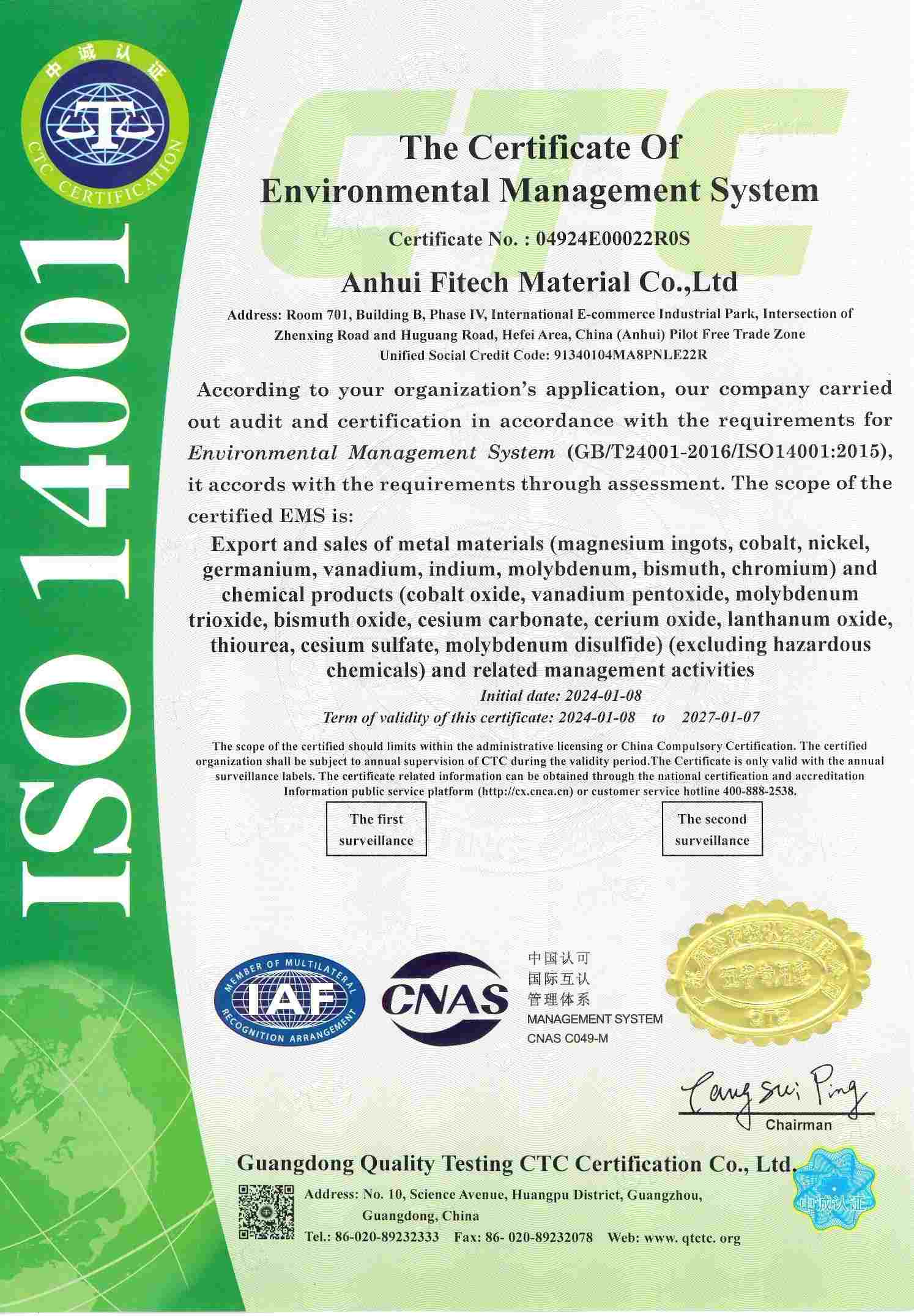
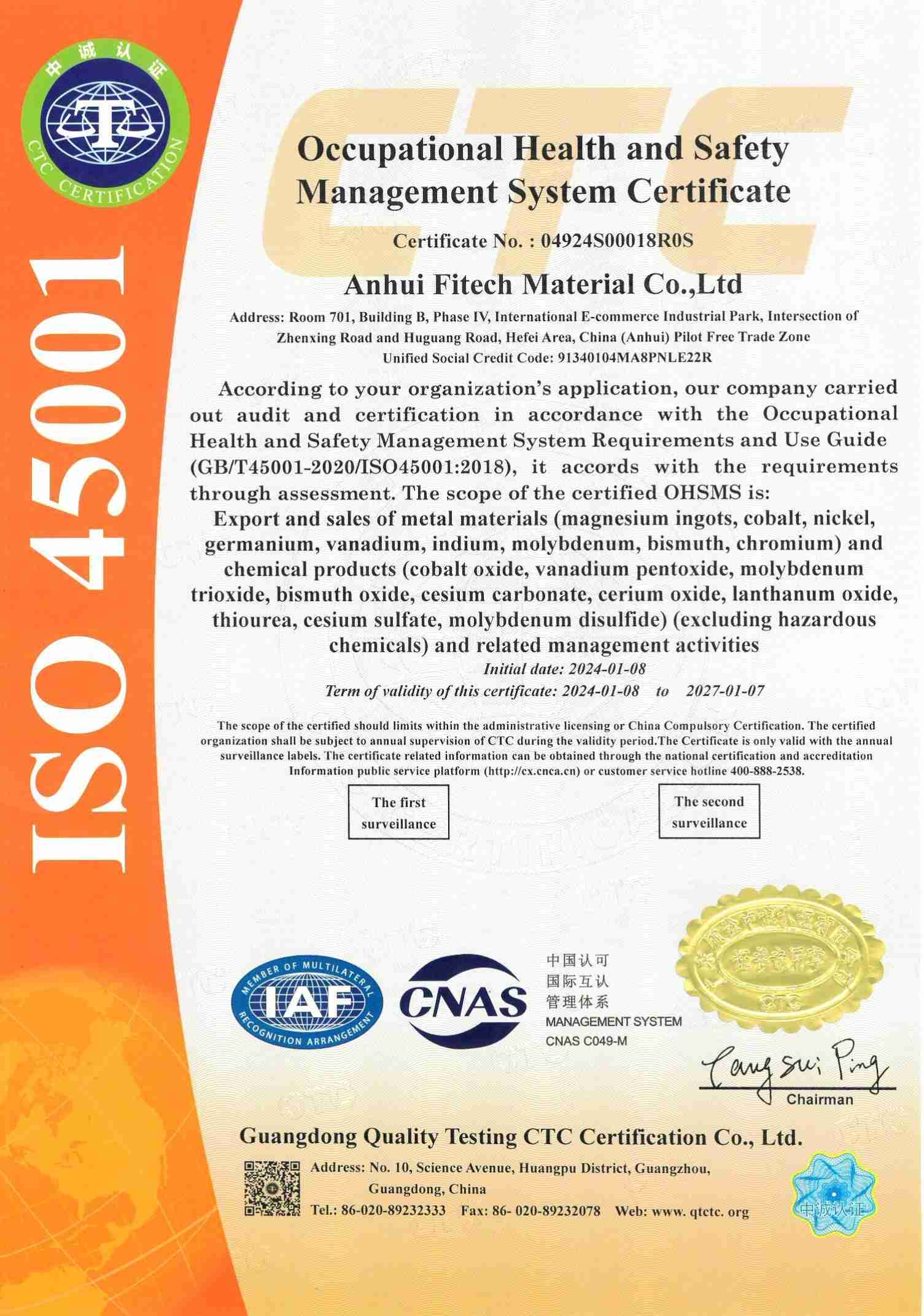
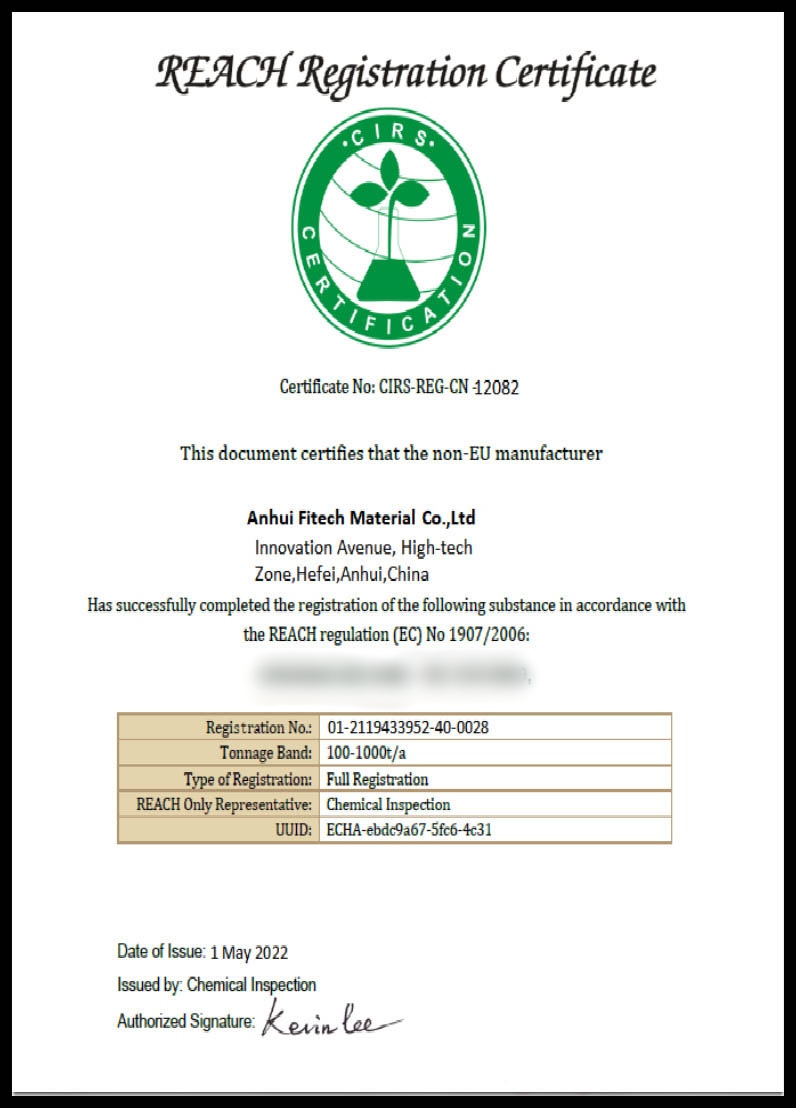
Сертификаты
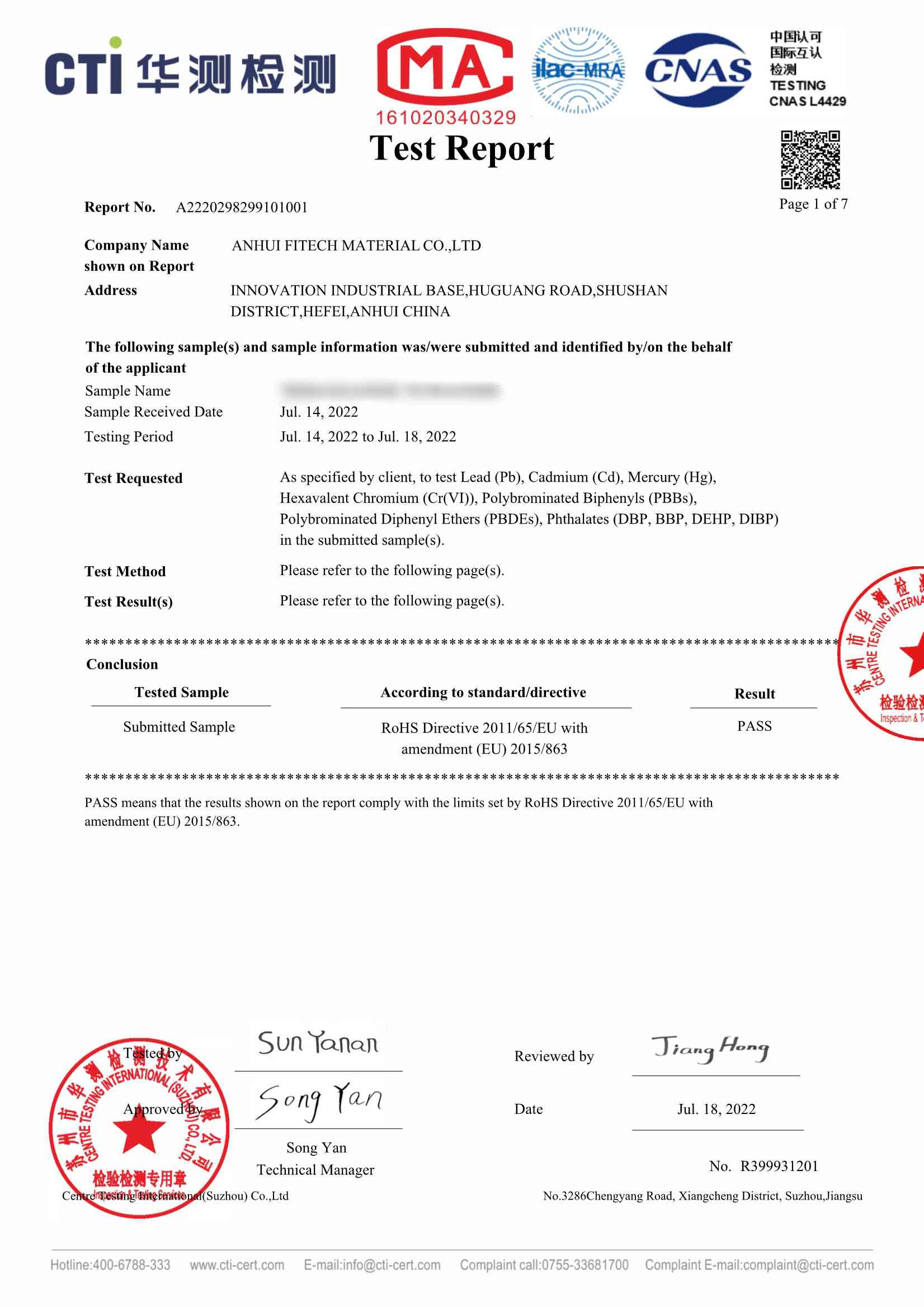
Продукция одобрена FDA, REACH, ROSH, ISO и другими органами сертификации и соответствует национальным стандартам.
Фактор
y
Часто задаваемые вопросы
В: Вы торговая компания или производитель?
А: Мы — фабрика.
В: Сколько времени занимает доставка?
А: Обычно, если товар есть на складе, срок составляет 5-10 дней. Если товара нет на складе, срок составляет 15-20 дней, в зависимости от количества.
В: Вы предоставляете образцы? Это бесплатно или за дополнительную плату?
А: Да, мы можем предложить образец бесплатно, но стоимость доставки оплачивает покупатель.
В: Каковы ваши условия оплаты?
А: Оплата<=1000 долларов США, 100% предоплата. Оплата >=1000 долларов США, 30% предоплата банковским переводом, остаток перед отгрузкой.
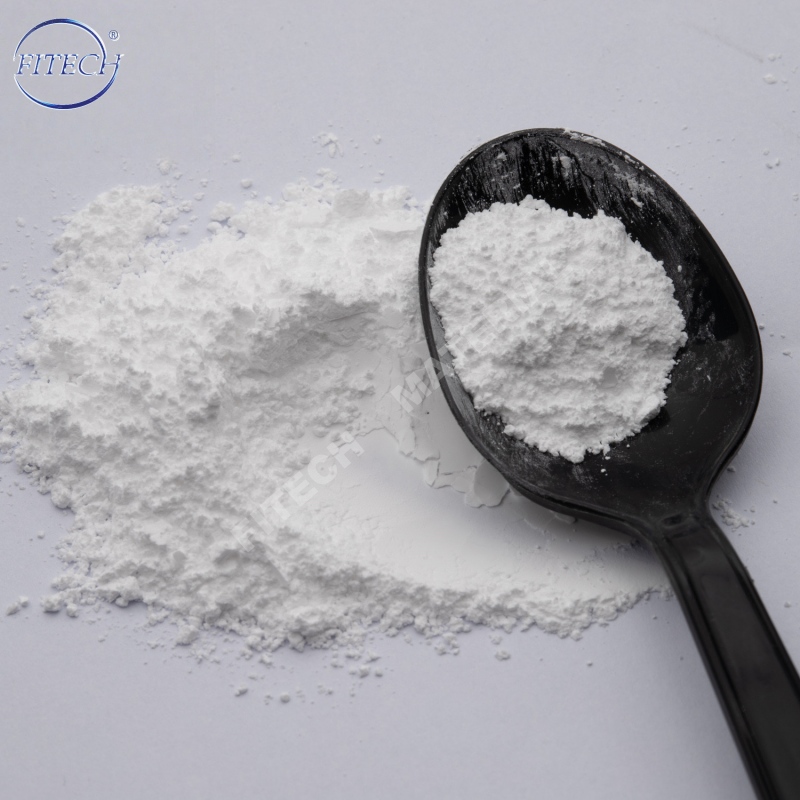
Карбонат литияБесцветные моноклинные кристаллы или белый порошок. Растворим в разбавленной кислоте, малорастворим в воде. Является распространённым сырьем для литий-ионных аккумуляторов.
СМОТРЕТЬ БОЛЬШЕ
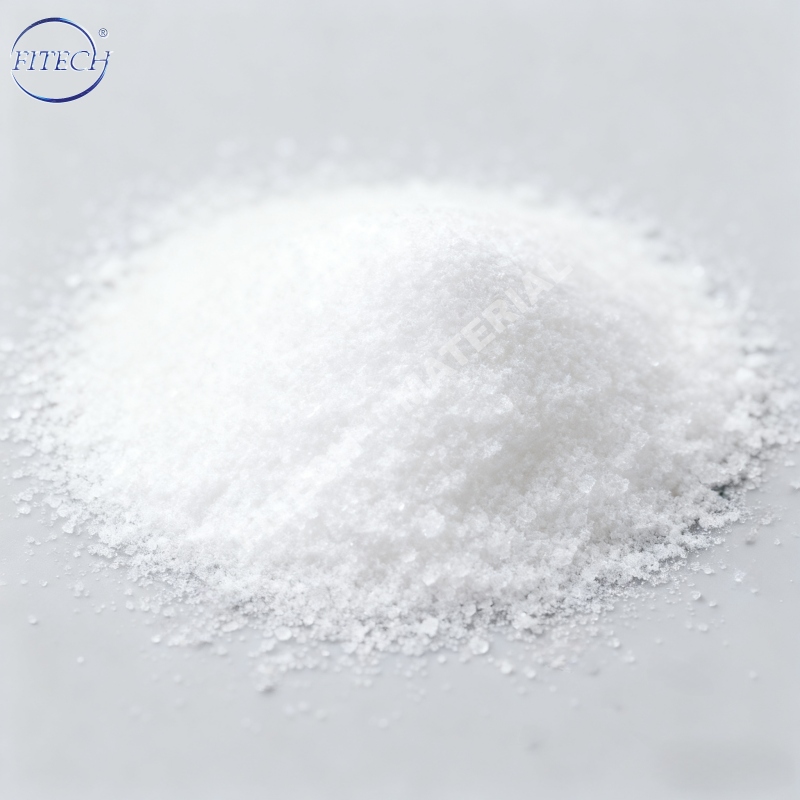
Хлорид литияБелый кристалл, гигроскопичный. Имеет солоноватый вкус. Растворим в воде, этаноле, ацетоне, пиридине и других органических растворителях.
СМОТРЕТЬ БОЛЬШЕ
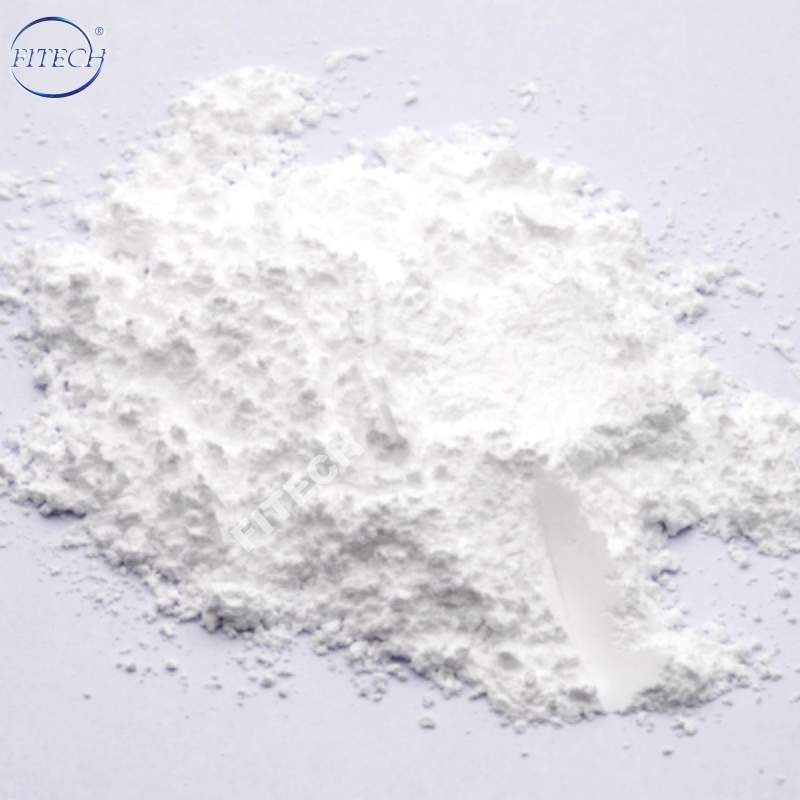
Фторид лития, Белый порошок, относительная плотность 2,653, температура плавления 848 ℃, нерастворим в воде, нерастворим в этаноле и ацетоне, растворим в кислоте, с HF образует LiHF2.
СМОТРЕТЬ БОЛЬШЕ
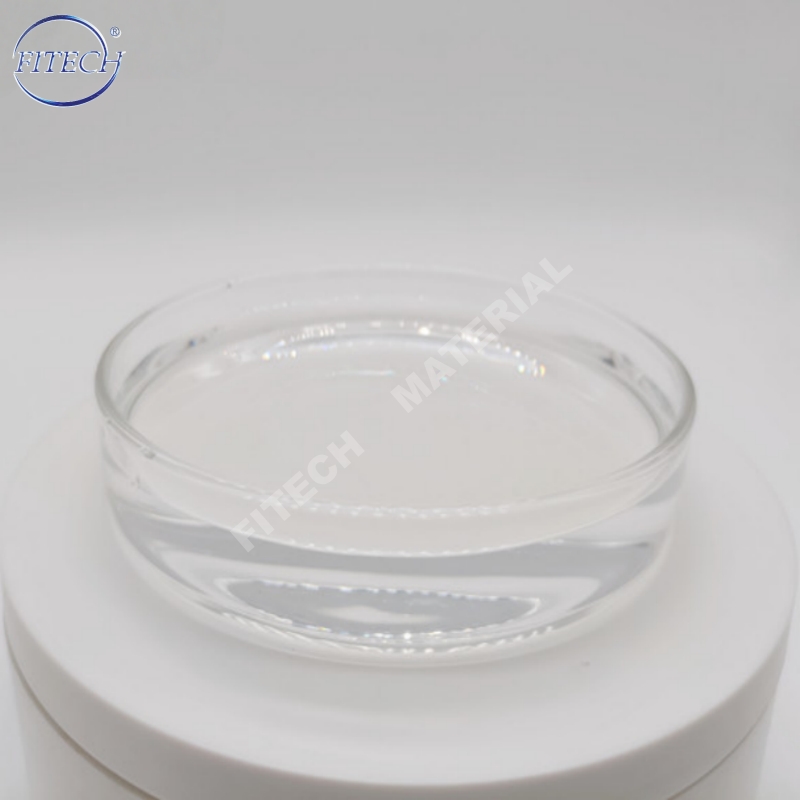
Бис (2,4,4-триметилпентил)фосфиновая кислота, бесцветная или бледно-желтая жидкость с фруктовым ароматом; слабокислая, нетоксичная и не вызывающая коррозии стали и большинства пластиков.
СМОТРЕТЬ БОЛЬШЕ
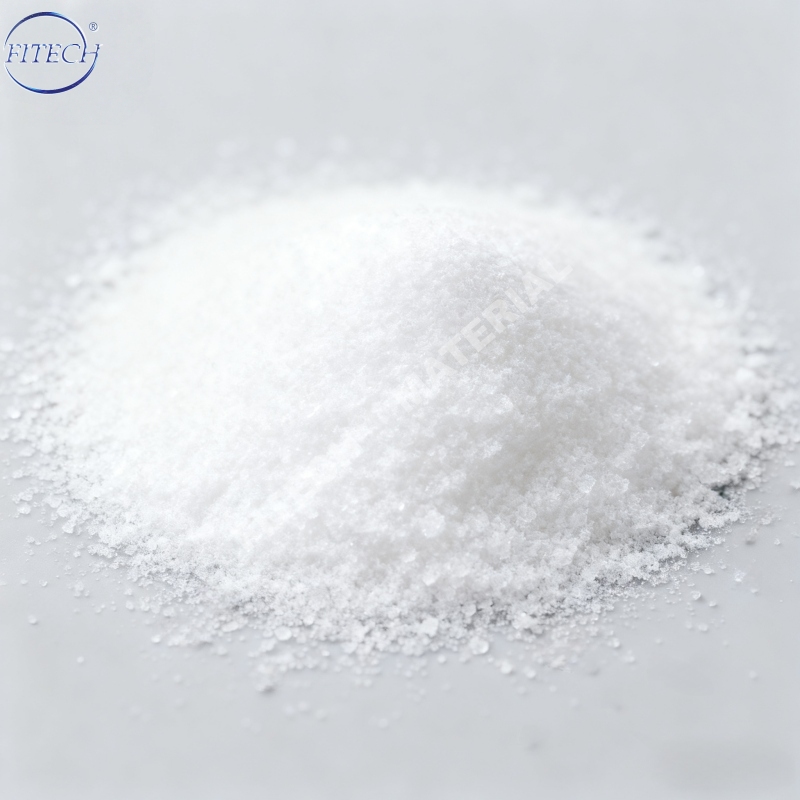
Фосфат литияБелый кристаллический порошок с плотностью 2,54 г/см³, температурой плавления 837℃, слабо растворим в холодной воде, легко растворим в кислотах и аммиачной воде, нерастворим в ацетоне.
СМОТРЕТЬ БОЛЬШЕ
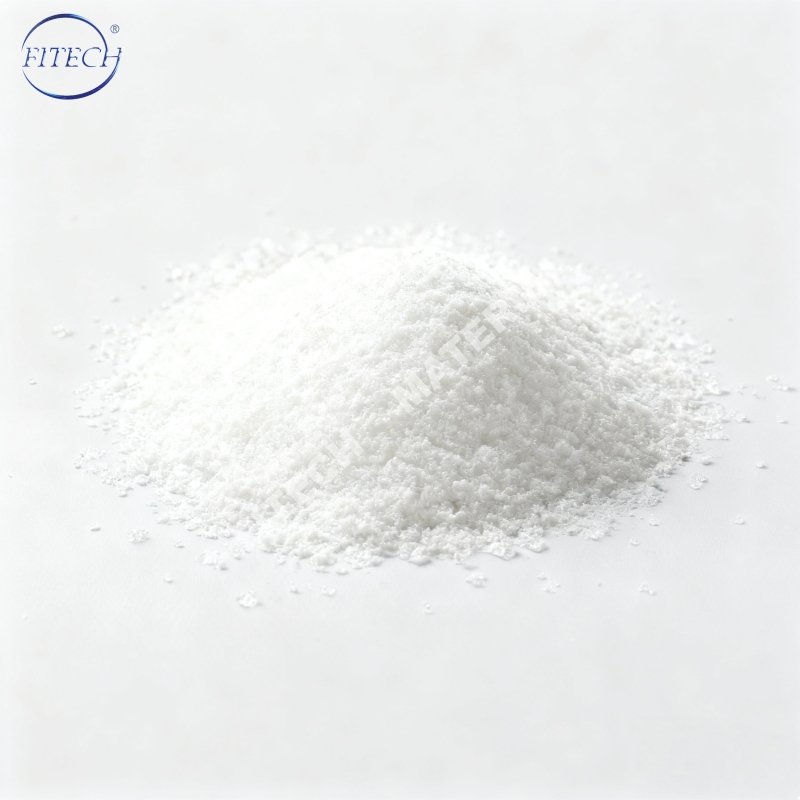
Дигидрофосфат литияLiH₂PO₂. Молекулярная масса: 103,93. Бесцветные кристаллы. Расплываются. Обладают сильной гигроскопичностью. Удельный вес: 2,461. Температура плавления выше 100 °C. Хорошо растворимы в воде и не образуют гидратов.
СМОТРЕТЬ БОЛЬШЕ
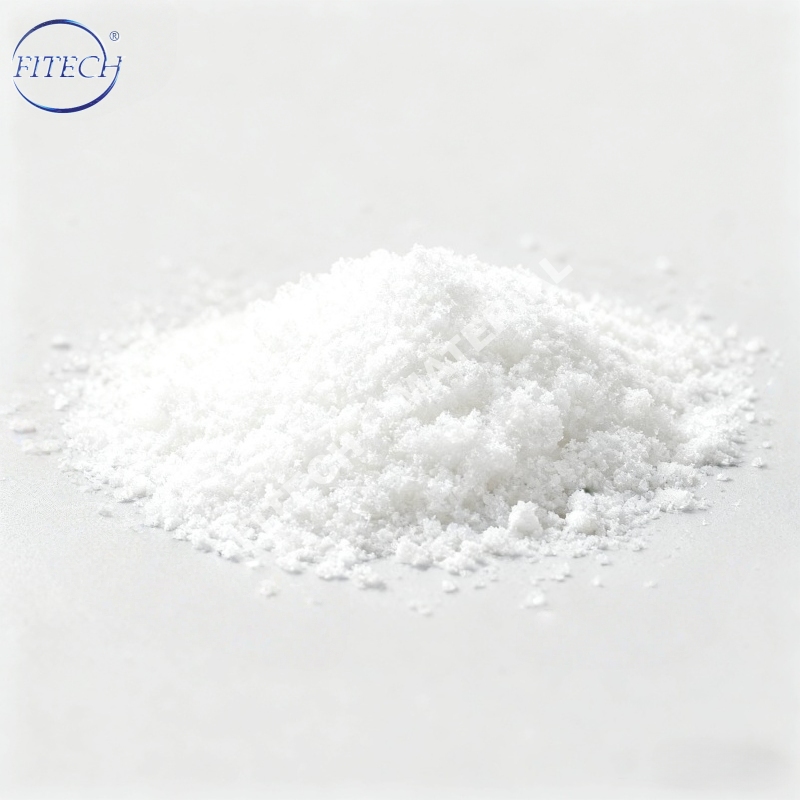
Натрий Mолибдат, с химической формулой Na₂MoO₂, представляет собой белый ромбический кристалл. Триоксид молибдена может быть получен окислением и обжигом молибденового концентрата с последующим выщелачиванием жидким едким натром до образования раствора молибдата натрия. После фильтрации, концентрирования, охлаждения, центрифугирования и сушки он может быть получен.
СМОТРЕТЬ БОЛЬШЕ
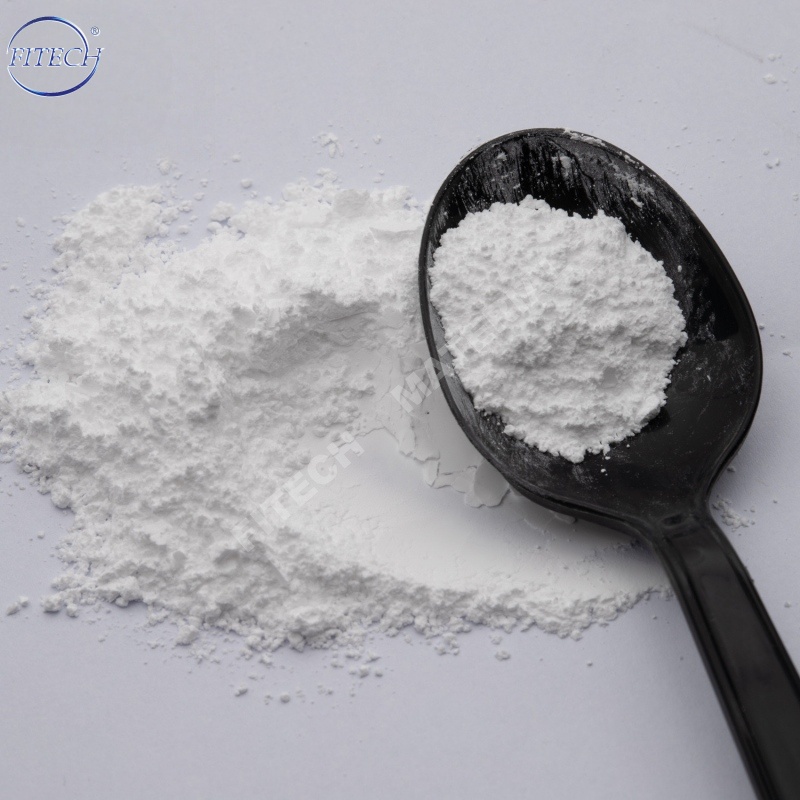
Полифосфат аммония, белый порошок, скорость гидролиза которого зависит от размера частиц, температуры и значения pH. С повышением температуры и снижением значения pH гидролиз ускоряется.
СМОТРЕТЬ БОЛЬШЕ


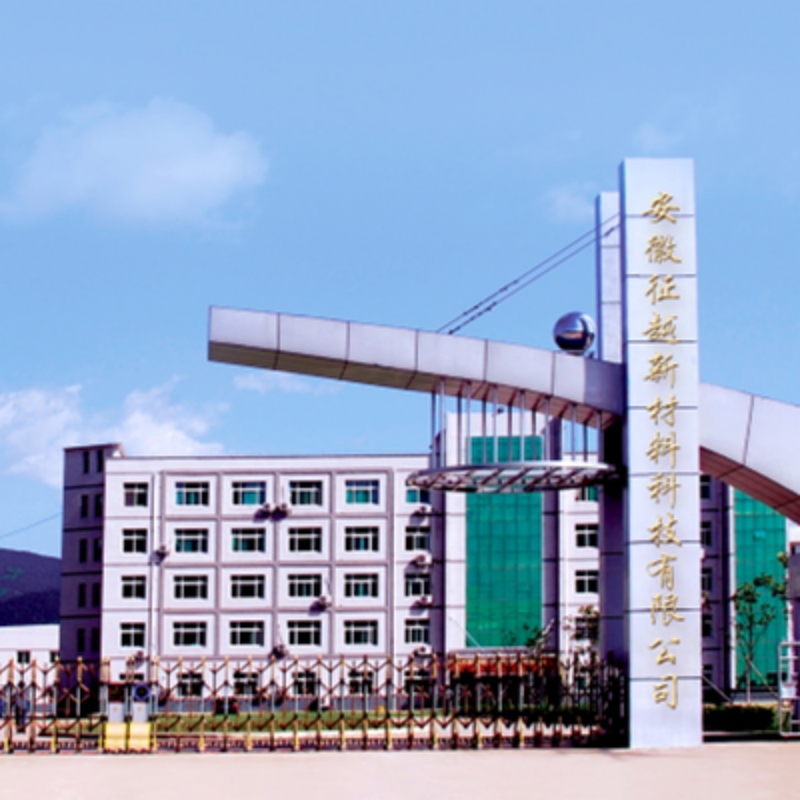
Innovation industrial base, Huguang Road, Shushan District, Hefei, Anhui, China.
Авторские права
@ 2026 Anhui Fitech Material Co., Ltd. Все права защищены
. ПОДДЕРЖИВАЕМАЯ СЕТЬ
Редкоземельные элементы Карта сайта Xml политика конфиденциальности
оставить сообщение
Сканировать в Wechat :

Сканировать в WhatsApp :